
Posts

Bring Your Own Device Plus: How the Hawaiian Electric Battery Program Pays Homeowners
The Hawaiian Electric battery program for new home batteries is Bring Your Own Device Plus, usually shortened to BYOD Plus, and it pays homeowners in two ways. You receive a one-time upfront incentive of $400 for every kilowatt of battery capacity you commit, with no cap, and most participants also earn a monthly bill credit….

Do Solar Panels Work During a Power Outage? Why Panels Alone Shut Off
Do solar panels work during a power outage? Not on their own. A standard grid-tied solar system shuts down within seconds of the grid going dark, even at noon on a cloudless day, and it stays off until utility power returns. That surprises many Hawaii homeowners who assumed a roof full of panels meant built-in…

How Many Powerwalls Do I Need for Whole-Home Backup in Hawaii?
How many Powerwalls do I need? For most Hawaii homes the answer is one Tesla Powerwall 3 for essential circuits, two for comfortable whole-home backup, and three or four for large homes running multiple air conditioners, pool pumps, or EV charging through an outage. Hawaii households have an advantage here: they use far less electricity…

The 10-Year Cost of Staying on the Grid: What the Average Electric Bill in Hawaii Adds Up To
The average electric bill in Hawaii was 213 dollars a month in 2024, against a national average of 144 dollars, per the U.S. Energy Information Administration. Hold that number still for ten years and it comes to 25,560 dollars, paid out in small monthly pieces, for electricity you never own and cannot resell. That is…

Solar Panels Hurricane Wind Rating: How Hawaii Systems Are Engineered for High Winds
A solar panels hurricane wind rating is not a single miles-per-hour number printed on the module. It is the combination of two things: how much wind pressure the panel itself is tested to survive, and how well the racking and roof attachments are engineered for the wind speeds your specific site must meet under the…

Generator vs Battery Backup for Hawaii Homes: Which Outage Plan Wins?
Generator vs battery backup is the question Hawaii homeowners ask every time a storm forms south of the islands, and the answer has shifted decisively over the past few years. A generator still does one thing well: it makes power for as long as you can feed it fuel. A home battery does that job…

How to Choose a Solar Installer in Hawaii: 10 Questions to Ask Before You Sign
How to choose a solar installer matters more in Hawaii than almost anywhere else, because the stakes are higher on both sides. Hawaii’s electricity rates are roughly three times the national average, per 2025 data from the U.S. Energy Information Administration, so a well-built system saves more here than on the mainland. But an island…

The Tesla Supercharger for Business: Why Hawaii Companies Are Hosting EV Charging
A Tesla Supercharger for business locations does something no billboard can: it brings customers to your property and keeps them there for twenty to forty minutes with money to spend. Hawaii’s EV adoption has climbed steadily for years, gasoline remains expensive to import, and charging infrastructure has not kept pace with demand. That gap is…

Solar for Nonprofits in Hawaii: How Direct Pay Makes Federal Incentives Work for You
Solar for nonprofits used to come with a frustrating catch: the biggest incentive was a tax credit, and organizations that pay no taxes could not use it. Federal elective pay rules, commonly called direct pay, fixed that. Qualifying Hawaii nonprofits can now receive the value of the 30% federal solar credit as an actual payment…
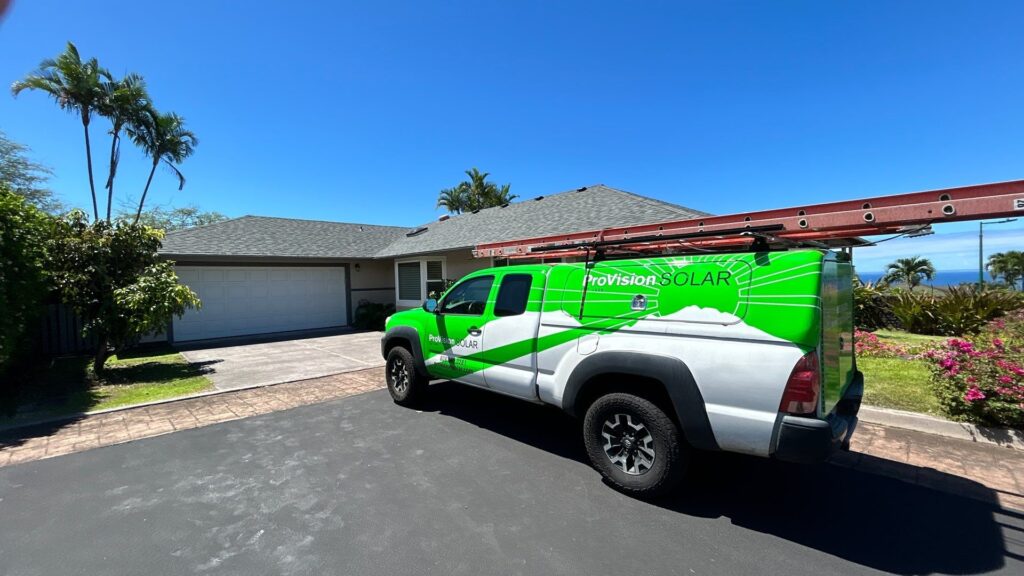
Hawaiian Electric Solar Programs in 2026: Smart Renewable Energy, Explained Simply
Hawaiian Electric solar programs confused a lot of homeowners for years, with a rotating cast of names and rules. In 2026 the picture is finally simple: new rooftop solar customers choose between Smart Renewable Energy Export and Smart Renewable Energy Non-Export, and battery owners can add Bring Your Own Device Plus for incentive payments. That…