![ProVisionSolar_White-Green[2]](https://provisionsolar.com/wp-content/uploads/2018/06/ProVisionSolar_White-Green2.png "ProVisionSolar_White-Green[2]")
Solar energy is one of the best long-term investments Hawaii homeowners can make. With high electricity costs, year-round sunshine, and increasing interest in energy independence, a solar system pays for itself through years of reliable, clean power. But even the highest-quality solar equipment requires consistent care—especially in a climate like ours, where humidity, salt air, and storms gradually affect system components.
Routine solar maintenance services and timely repairs help homeowners avoid unexpected downtime, preserve system efficiency, and extend the lifespan of their panels, inverters, and electrical hardware. If you own a solar energy system in Hawaii, understanding how maintenance works—and why it matters—is key to keeping your investment performing at its best.
This guide explores the value of solar maintenance, the most common repair needs, the signs of system decline, and why Hawaii homeowners benefit from working with trusted local professionals.
Why Is Solar Maintenance So Important in Hawaii’s Climate?
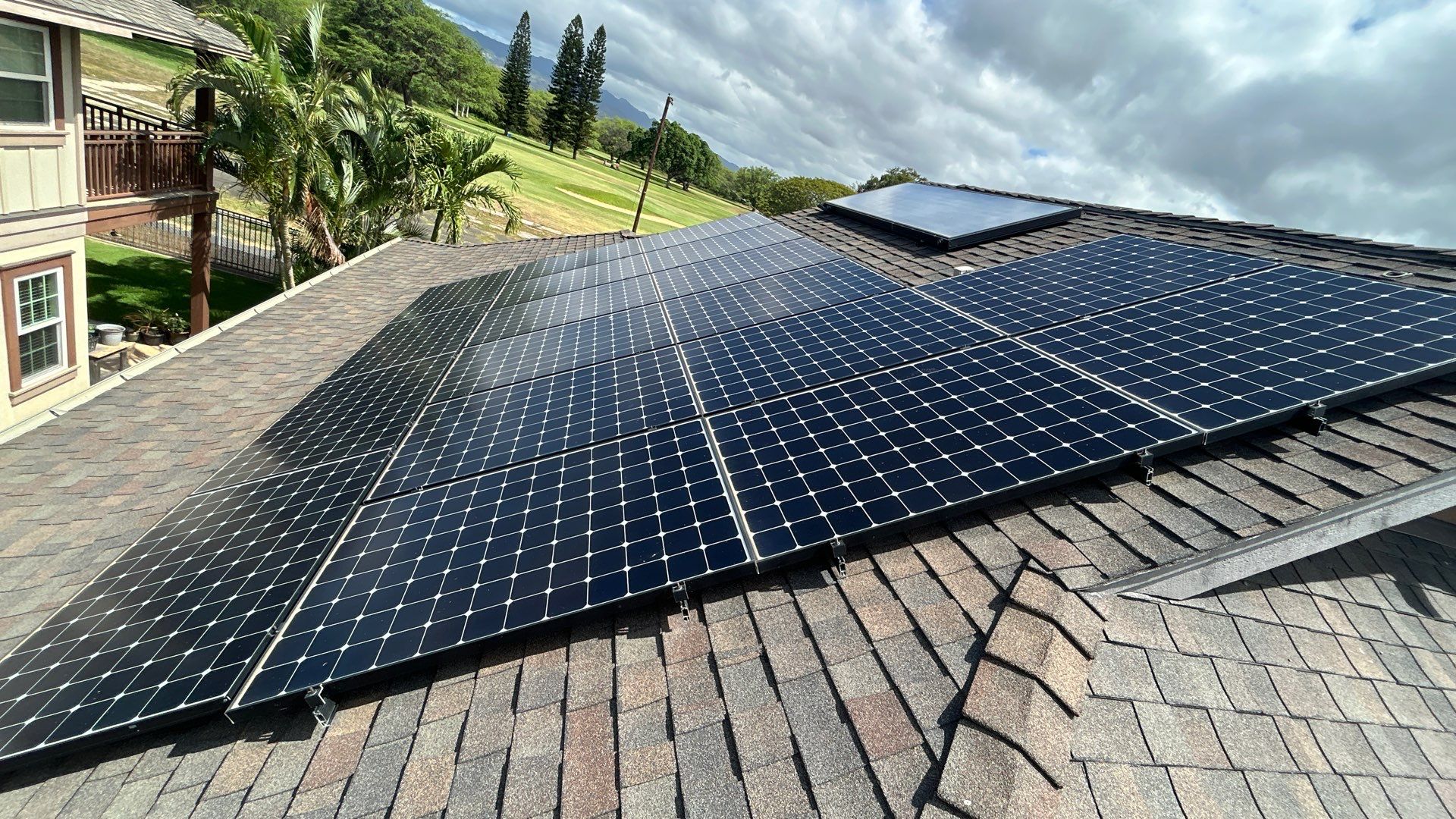
Most homeowners are told that solar systems are “low maintenance,” and that’s true. But low maintenance doesn’t mean no maintenance—especially in Hawaii. Solar systems operate outdoors every day, exposed to sun, salt spray, humidity, wind, and debris. Over time, these elements take a toll on wiring, panels, inverters, and mounting hardware.
Hawaii’s climate introduces several unique challenges:
- Salt air accelerates corrosion on metal parts, wiring ends, and electrical enclosures.
- Constant sunshine increases heat exposure, which affects inverter lifespan and efficiency.
- Heavy rains and humidity can introduce moisture into connections or junction boxes.
- High winds and storms loosen hardware and create wear on racking systems.
- Fast-growing vegetation leads to shading that reduces energy production over time.
Without routine system checks, these issues can quietly reduce output long before homeowners notice the symptoms.
What Is Included in a Professional Solar Maintenance Visit?
A comprehensive maintenance visit goes well beyond a quick visual inspection. Your solar technician evaluates every part of the system, ensuring that performance, safety, and efficiency are all at optimal levels. Most maintenance visits include:
1. Performance Analysis & Energy Review
Technicians compare your system’s real-time energy production against expected output based on system size, location, and age. Sudden drops often indicate underlying issues that require attention.
2. Panel Condition Evaluation
Panels are inspected for cracks, hotspots, delamination, discoloration, or surface defects that may reduce efficiency. Hawaii’s UV exposure and salty air make this step especially important.
3. Inverter Inspection & Diagnostics
Inverters are the heart of your solar system—and the component most likely to require repair over time. Your technician checks for error codes, heat exposure, unusual noises, or declining conversion efficiency.
4. Wiring & Electrical Checks
Corrosion, loose connections, broken conduit, and degraded wiring are common issues in Hawaii. Safe electrical function is essential for both performance and fire prevention.
5. Roof & Mounting Hardware Assessment
Racking, roof attachments, and flashing are examined for looseness, rust, or wear. Ensuring the structural integrity of the system protects both the panels and the home beneath them.
6. Shading & Obstruction Review
New tree growth, nearby construction, or shifting vegetation can block panels and significantly reduce energy output.
7. Monitoring System Verification
A technician confirms that your digital monitoring is accurate, responsive, and properly reporting performance issues.
This detailed process helps ensure your system remains safe, efficient, and reliable throughout its lifetime.
What Are the Most Common Solar Repairs in Hawaii?
Even the highest-quality solar systems eventually need some level of repair, especially as equipment ages. In Hawaii, these are the issues most frequently addressed:
Inverter Replacement:
- Most inverters last 10–15 years, but high heat and salt exposure may shorten that lifespan. If your system stops producing energy or shows repeated error codes, the inverter is often the issue.
Corroded or Damaged Wiring:
- Salt air accelerates wear on connectors, grounding wires, and junction boxes. Corrosion can cause intermittent power loss, reduced performance, or safety concerns.
Panel Repair or Replacement:
- While panels are extremely durable, damage from storms, debris, or hotspots can require replacement of one or more modules.
Loose or Worn Racking Hardware:
- Wind exposure and aging metal components can loosen bolts, clamps, or roof attachment points.
Monitoring Equipment Failures:
- If your monitoring system stops reporting—or reports incorrect data—technicians may need to replace sensors or upgrade the monitoring hardware.
Pest-Related Issues:
- Geckos, insects, and small critters often enter warm electrical enclosures, leading to damage or moisture buildup.
Addressing these issues promptly prevents larger, more costly problems down the line.
What Are the Signs That Your Solar System Needs Repair?

Many homeowners don’t notice problems until they see an unexpected increase in their electric bill. But early detection is far more cost-effective. Common signs that your solar system needs attention include:
-
Unexpected drop in energy production
-
Inverter warning lights or error codes
-
Monitoring app showing zero or inconsistent output
-
New shading from tree growth or structures
-
Higher-than-usual HECO bills despite sunny conditions
-
Visible corrosion or loose conduit
-
Buzzing, clicking, or unusual inverter noise
-
Frequent breaker trips
-
Water inside electrical enclosures
If you notice any of these signs, scheduling a maintenance visit right away can prevent additional damage.
How Often Should Hawaii Homeowners Schedule Maintenance?
For most homeowners in Hawaii, annual maintenance is the recommended minimum. However, certain factors may require more frequent checkups, such as:
-
Living near the coast (higher salt exposure)
-
Having an older solar system (10+ years old)
-
Owning a battery backup system
-
Experiencing recent storms or electrical issues
-
Noticing changes in shading or vegetation
Regular maintenance ensures your system stays efficient and compliant with electrical standards as it ages.
Can Solar Maintenance Improve Energy Production?
Yes—many homeowners see immediate improvements after addressing issues found during maintenance. Benefits include:
-
Higher daily energy output
-
Better inverter efficiency
-
Reduced system downtime
-
More accurate monitoring data
-
Improved battery charging performance
-
Fewer long-term repair costs
In Hawaii’s climate, small adjustments and early corrections often recover energy production that would otherwise be lost over time.
Why Work With a Local Hawaii Solar Maintenance Provider?
Solar systems in Hawaii face challenges that mainland installers rarely encounter. Working with local professionals ensures expertise in:
-
Salty coastal environments
-
Rapid vegetation growth
-
Hawaii-specific electrical codes
-
HECO interconnection standards
-
High humidity and heat exposure
-
Local roofing conditions and materials
-
Repairs for older or legacy systems
Local experience matters—especially for long-term reliability.
Protecting Your Solar Investment Starts With Routine Care
Your solar system works hard every day, powering your home, lowering energy bills, and supporting cleaner, more sustainable living in Hawaii. With routine maintenance and timely repairs, you can keep your system running safely, efficiently, and reliably for decades.
Whether you’re noticing a drop in performance or simply want peace of mind that your system is functioning at peak capacity, scheduling a professional maintenance visit is one of the smartest ways to protect your investment.